
The Top 5 Peptides for Beginners (and What They Do)
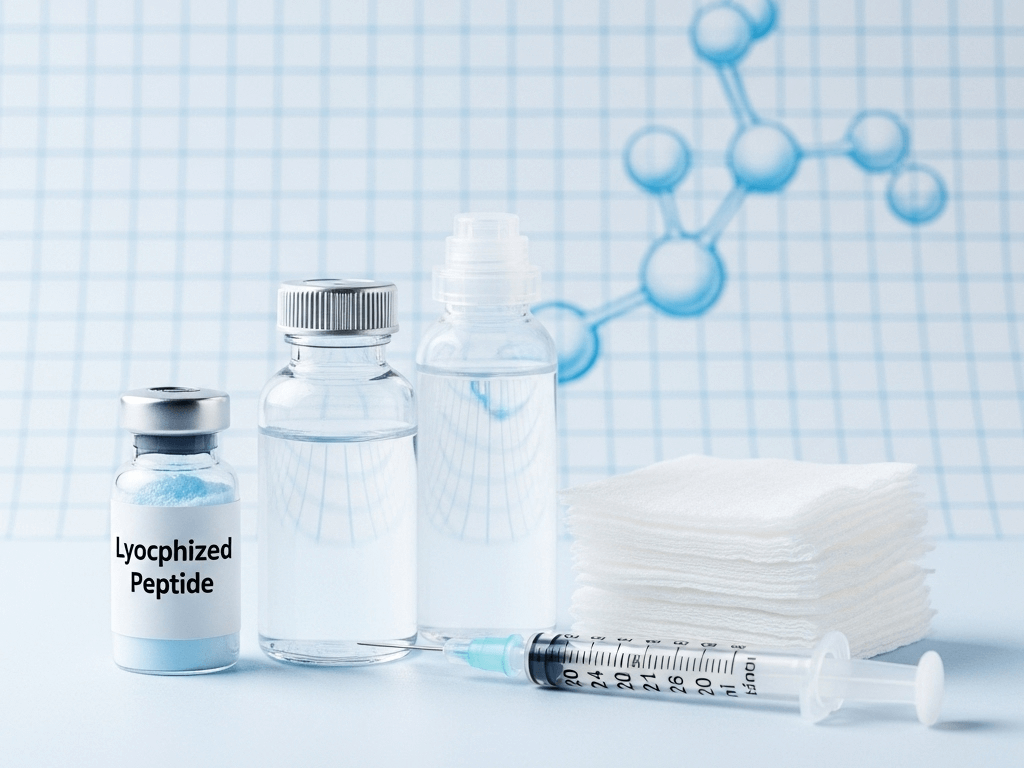
If you’re investing in peptides, storing them properly is just as important as injecting them correctly. Poor storage can reduce potency, introduce contaminants, or even render your peptides useless.
This guide walks you through best practices for peptide storage, helping you preserve both safety and effectiveness.
✅ Want to keep your protocols clean and organized? PepTracker helps you track injection dates, store notes, and avoid missed doses.
✅ Want to keep your protocols clean and organized? PepTracker helps you track injection dates, store notes, and avoid missed doses.
What Are Peptides Made Of?
Peptides are short chains of amino acids—essentially fragments of proteins—that are fragile by nature. They're highly susceptible to heat, light, moisture, and bacterial contamination. That means where and how you store them directly impacts their stability and shelf life. Most peptides arrive in lyophilized (freeze-dried) form, which extends shelf life before reconstitution. Once mixed with a diluent (like bacteriostatic water), the clock starts ticking. Common peptides that require careful storage include: Semaglutide, Tirzepatide, BPC-157, Ipamorelin, TB-500, and AOD9604.How to Store Lyophilized Peptides
Before mixing, peptides are relatively stable if you follow a few guidelines:- Keep them refrigerated: Store vials in the fridge (36–46°F / 2–8°C). A cool, dark environment slows degradation.
- Avoid direct sunlight: UV exposure can denature the peptide structure.
- Use airtight containers: Keep vials sealed to prevent moisture exposure.
- Label everything: Use clear labeling for compound name and purchase/reconstitution dates.
How Long Do Peptides Last in the Fridge?
- Lyophilized peptides: Up to 12–18 months
- Reconstituted peptides: Typically 30–60 days (always check vendor guidance)
How to Store Reconstituted Peptides
Once you mix your peptide with bacteriostatic water (or another sterile diluent), storage becomes more sensitive:- Always refrigerate reconstituted peptides (36–46°F / 2–8°C)
- Limit contamination: Always use alcohol wipes, sterile syringes, and avoid touching rubber stoppers
- Discard after 30–60 days (depending on peptide type and vendor guidance)
Do Peptides Expire?
Yes. Even if peptides appear visually unchanged, potency can decline over time—especially after reconstitution. Signs your peptide may no longer be usable include:- Cloudiness or discoloration
- Presence of particles or sediment
- Foul or unusual odor
Traveling with Peptides: What You Need to Know
If you're traveling:- Use a portable medical cooler with a cold pack for transport
- Pack vials in a zip bag to protect from leaks or contamination
- Keep documentation handy in case TSA or customs asks about medications
Quick Peptide Storage Tips ✅
- Keep all vials in the fridge (not freezer)
- Avoid heat, light, and moisture
- Always clean rubber stoppers before use
- Never reuse needles or syringes
- Label every vial with compound name and mix date
- Discard reconstituted peptides after 30–60 days
Final Tips
- Use clean hands and alcohol wipes before every injection
- Never use a peptide that looks cloudy, discolored, or has visible particles
- Rotate injection sites to avoid irritation
Join the Newsletter
Smarter Stacks Start Here
Get expert protocol tips, calculator tricks, and research-backed peptide insights — straight to your inbox.